For most Bellevue homes the best choice is an architectural asphalt shingle with algae resistance, or standing seam metal if the budget allows. Both cope with months of rain, moss and wind. The right one for you depends on the roof's slope, the trees around it and how long you plan to stay.
What is the best roofing material for this climate?
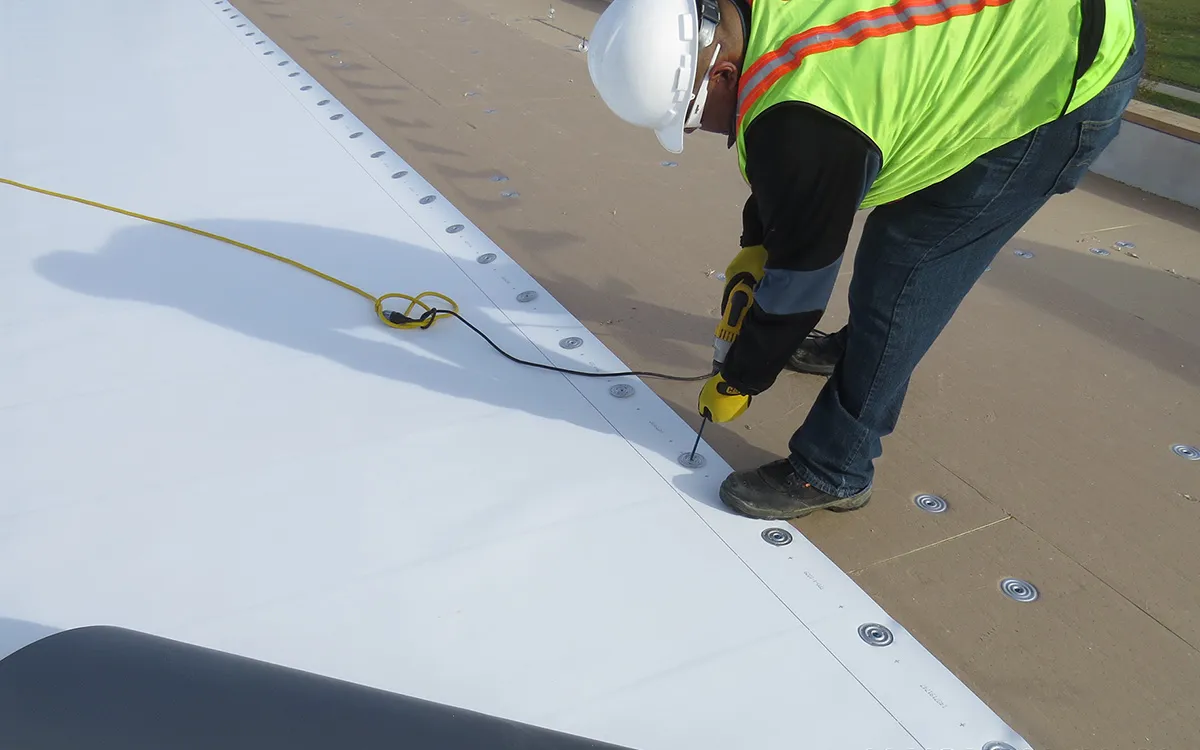
The best roofing material for the Puget Sound climate is one that sheds water fast and gives moss little to grip. Architectural shingles are the common pick for cost and looks. Metal lasts longest and sheds needles. Low-slope sections need a membrane, not shingles.
| Material | Published lifespan | Notes for Bellevue |
|---|---|---|
| Architectural shingles | 20 to 30 years | Good value. Choose an algae-resistant line. Moss still needs managing. |
| Metal | 30 to 80+ years | Sheds needles and resists moss. Higher cost. |
| Wood shakes | 25 to 30 years | Traditional here. High upkeep in shade and damp. |
| Tile | 30 to 100+ years | Heavy. The frame must be checked first. |
| Slate | 50 to 200+ years | Very heavy and costly. Rare here. |
Lifespans are national figures published by HomeGuide. Deep shade, moss and poor ventilation shorten them.
Are architectural shingles worth it over 3-tab?
Yes, for nearly every house. Architectural shingles are thicker, made of two bonded layers, and stand up to wind better than flat 3-tab shingles. The published life is 20 to 30 years against 15 to 20. Nationally they cost $4 to $6 per square foot installed against $3 to $5 for 3-tab. Over the life of the roof the thicker shingle costs less per year.
Is a metal roof worth the extra money?
A metal roof is worth it when you plan to stay in the house a long time, or when the roof sits under heavy tree cover. Needles and leaves slide off, moss struggles to root and falling small branches do less harm. It costs $5 to $16 per square foot installed nationally. If you expect to move within ten years, architectural shingles usually make more financial sense.
Is a metal roof noisy or hot?
No, not on a house built the usual way. Rain noise is a worry people bring from barns and carports, where the metal sits on open framing. On a home, the metal goes over solid decking and underlayment, with an insulated attic below, and rain sounds much the same as on shingles. Metal reflects a good share of the sun's heat and cools quickly, so it does not make the house hotter.
What is an impact-resistant (Class 4) shingle, and do I need it?
A Class 4 shingle has passed the toughest standard impact test, in which a steel ball is dropped on it without cracking it. It is built for hail. Damaging hail is rare around Bellevue, so most homes here do not need it for that reason. It can still be worth a look under big trees, since it resists falling cones and small limbs better. Ask your insurer whether it offers any discount before paying extra.
What colour roof is best: light or dark?
In Bellevue, choose the roof color mainly for looks. Light or dark matters less here than in hot, sunny states, because summers are mild and the heating season is long. A light roof reflects more summer heat. A dark roof hides algae streaks and needle stains better, and a mid-tone blend hides the most. Check your HOA's approved colors first.
What is underlayment and does it matter?
Underlayment is the water-resistant sheet between the decking and the shingles, and in this climate it matters a great deal. It is the second line of defense when wind-driven rain gets under a shingle. Synthetic underlayment has largely replaced felt because it resists tearing and holds up better if rain arrives before the shingles are on. Self-adhered membrane goes in valleys and around openings. Published national cost is $0.75 to $4.00 per square foot installed.
What is drip edge and flashing?
Drip edge is a metal strip along the roof's edges that guides water into the gutter and keeps it off the fascia and the edge of the decking. Flashing is the metal that seals every joint where the roof meets something else: chimneys, walls, skylights, vents and valleys. Most leaks start at flashing and not in the open field of shingles. On a re-roof, new flashing is worth the money. Reusing rusted or bent metal is a false saving.
Can solar panels go on my roof, and what if the roof needs replacing?
Yes, solar panels can go on most shingle and metal roofs. Put them on a roof with plenty of life left. If the roof has fewer than about ten years to go, replace it first, because taking panels off and putting them back later for a re-roof is a separate cost charged by the solar company. Standing seam metal suits solar well, since the mounts clamp to the seams without holes. Tree shade is the bigger limit on many Bellevue lots.
Tile, slate or wood: can my house carry it?
Not always. Tile and slate weigh several times as much as asphalt shingles, and a house framed for shingles or shake may need an engineer's review and added framing before it can carry them. Bellevue also requires roofs to be designed for snow: the city's standard for houses below 700 feet elevation is a 25 pounds per square foot roof snow load. Wood shake is light and suits the framing of older homes here, but it needs steady upkeep in shade. Lightweight metal or composite products can give a similar look.
What should replace my old cedar shake roof?
Most Eastside homeowners replace worn cedar shake with architectural shingles or metal. Published life for wood shakes is 25 to 30 years, and shaded, mossy roofs often fall short of that. The switch usually means adding solid sheathing over the old spaced boards and improving attic ventilation at the same time, because a shake roof on open boards breathed in a way a shingle roof on plywood does not.
What does a lifetime warranty really cover?
A lifetime warranty on shingles covers manufacturing defects in the product, for as long as the first owner lives in the house, on the maker's terms. It does not mean the roof will last a lifetime. Most of these warranties pay in full only in an early period and then shrink the payout year by year. They usually exclude wear, moss, storm damage and faulty installation. Read the actual document, and ask what must be registered and whether it passes to a buyer.
Is a cool or reflective roof worth it for my electric bill?
Not for the electric bill alone, in Bellevue. A cool roof reflects sunlight to cut air conditioning use, and it pays off in long, hot summers. Summers here are short and mild, the heating season is long and many homes sit in tree shade. The saving is small. On a low-slope roof a white membrane is a common choice anyway, and it does keep the rooms below a little cooler in July. Attic insulation and ventilation do more for comfort here.
Does a more expensive roofing material always last longer?
No. A more expensive material lasts longer only if it suits the roof and is installed and looked after properly. Cedar shake costs more than architectural shingles, yet its published life of 25 to 30 years is about the same, and in shade it often does worse. Metal and slate do outlast asphalt by the published figures. The details decide the rest: flashing, underlayment, ventilation and keeping moss and needles off.
A free roof inspection with photos and a written quote is the only way to get a real price for your roof. Call or text The Bellevue Roofers at (425) 522-5354.